Body Massage Therapy

All About Body Massage Therapy

Body Massage Therapy header image 1

Massage Table – Tips On Picking The Perfect One!

July 27th, 2010 · No Comments

It is widely recognized as a form of relieving stress, inducing sleep and helping tired muscles relax – yes, we are talking about a massage! But, for a massage to be all this, the perfect massage table is very important; so, here are some useful tips on choosing the best massage table!

It may be that you are taken in by the number of fabulous designs massage tables are now available in, but it is advisable to wait and compare these for quality and pricing against others existing in the growing market so your back massage is more soothing than ever! Look for the basics of a massage table along the concepts that make it a dependable and worthy proposition to invest in for your good health: check out various designs, type of construction, comfort and firmness factors besides the weight (both of the table and on your pocket!)

A good massage table needs to be not only good to look at, but functional and practical as well for your added ease of transportation; choose one that is portable and made of good quality, whatever your budget.

Check out various parts of the massage table that takes your fancy and look for design details such as comfort and ease of use, even if it the age-old folding massage table pattern, which has a skirt hiding legs that can be altered to suit different height requirements. There are also massage tables available for extra storage and some even come with side-trays and lighting fixture scope so these can be closed down when not in use and store oils, sponges, cloths and incense etc. out of view and safely, but handy if needed.

The typical table-tops measure 30 inches wide and 76 inches in length; they have roundedcorners so covers are easy to put on and no sharp edges protrude when the massage expert has to stretch across a client. Most good quality massage tables come with an added foam insert that has a built-in face hole and padded table skirts so no hardware is apparently sticking out. Usually, they also have easily adjustable legs that can be operated with one knob and have center support braces to hold every part in place, held together by steel cables that do not allow the massage table to collapse under weight.

One can go in for the DIY type also and put together various locks, levers, knobs and screws to assemble the massage table of their requirement by following simple instructions, but this was mostly for the older version (with airplane wings that folded for easy storage and locked tight when in use). This variety cut back on using wood on the supports or legs to curtail weight, but all massage tables – whatever the pattern – do use generous amount of padding and plastic washers so the session is comfortable and peaceful.

If keen on one with wooden parts, check to see these are all curved nicely, sanded down and finished proper to give the surface an elegant look and remain snag-free; opting for the new soft feeling, tough-acting vinyl is a good idea for your massage table investment because it can stand up to a lot of wear and tear subject to body oils, sweat and toxins etc. besides being easy to clean.

So, go for quality (perhaps even add in the neck and leg pillow for added pampering) and choose a massage table that offers more facilities and rub up someone the right way!

Enhanced by Zemanta

→ No CommentsTags: Massage Devices

Massage Therapy Products

July 27th, 2010 · No Comments

There are different kinds of massage products being used by the physical therapist. It lies on how the person applies such product. Know them up-close in this article.

Usually, oils and lotions are being mixed with powder to soothe one’s skin. Products being used by therapist varies on what kind of massage session they are going to apply. Each product has its usage. Mostly in spa parlors they choose to use massage oil or they adhere to the client’s preference. Mainly achieving the best kneading the body necessitates must be met by the masseuse.

Massaging with oil
The use of massage oil contributes a good effect to both massage therapist and the client. It slides easily and it is being absorbed by the skin. All kinds of massage oil are admired by people. Even baby oil being applied on the newborn makes the mother confident about using touch therapy to help the baby’s development faster. When moms lovingly caress their young ones the child feel a sense of security.

Some therapist prefers to use stimulating massage oil with natural refreshing blend of citrus products. There are plenty of essential oil new Ferri, Tangerine, Peppermint, Almond oil, Citrus oil, grape oil, Sesame oil, Avocado oil, and many more. Any form of essential oil is applicable to one’s body and its safe and refreshing. There’s also what they call the holy oil that is derived from essential which is absorb by the tissues. Most essential oils have an aroma therapy smell that penetrates to our senses. These types of oil sometimes help soothe dry skin and helps improve the condition of the skin by making it look healthier when being applied after taking a shower.

It provides natural response to our reflexes; minimize tension and releases stress due to physical fatigue and daily anxiety. It helps and make the body feel more calm and at ease. One feels good and for some drift away slowly into sleep. Right after a tension relieving massage all the muscles are loosen up that even insomniacs can’t resist the calling of their beds.

Massaging with lotion
Lotions are alternative means if oil is not available. But there are people who prefer to use lotion because of Vitamin E that are present in that product. It softens the skin and the smell lasts longer on it. It also moisturizes dry skin cells and helps restore dullness that is present in the body. Also an anti-aging agent it replaces your skin’s dead cells using anti-oxidant agents. Some countries have more highly advanced skin therapy applications than others. But the use of lotions as one of the best products for massages will never be outdated.

Everyone needs to be treated like a baby once in a while. It can rejuvenate the whole mindset allowing for more high spirits. When the body is eases out of tension it can be more productive. Rebuilding a proper attitude to go back into the word and conquer it. The much needed rest coupled with euphoric oil or lotion massage will surely make anyone feel like they are being reborn. The uses of these different products add more variations and excitement to the whole massage experience. They can stimulate the senses when just the right pressures are applied to the exact points.


Enhanced by Zemanta

→ No CommentsTags: Massage Therapy

How To Choose Massage Therapy Tables

July 22nd, 2010 · No Comments

Besides professional skills in massaging, a massage therapy table is also required for massaging business. There are many factors that will determine which massage therapy tables are suitable for the massaging business and, therefore, massage therapists have to be careful in selecting the right equipment for their business.
The first factor that massage therapists have to take into account is whether they need a movable or a stationary massage therapy table. This depends on their type of business and the space that they have. For example, if you want to give massaging service not only in your office, but to your clients’ homes, a portable table is a must for you. A portable massage therapy table also has a number of benefits compared to a stationary one. Some of them are :
- They are cheaper in terms of cost
- You can bring the table easily to your clients’ places to satisfy them
- When you want to re-arrange your things, it will be easier to move the table
- You can use it for dual-practice (both in-office and mobile services)
On the other side of the coin, a stationary table is also a good choice for those who want to specialize in in-office service only. It also provides more stability and is stronger than the portable one. Generally, stationary massage therapy tables are more expensive than portable ones.
Guidelines in Buying Massage Therapy Tables
Apart from the movable or non-movable type, there are other factors which you have to pay close attention to before purchasing massage therapy tables. The factors are :
- Weight and stability
- Durability
- Density or firmness of coverings
- Surface durability
- Vulnerability to chemical mixture such as lotions or oils
- Availability of extra add-ons
- Ease to be cleaned

Besides that, there are also individual factors such as the affordability and the type of business that you will run. You can also purchase a simple one and then, in the future, you can further embellish it with new add-ons or upgrade the table. The objective of this is to boost the comfort and also give the clients a whole new experience while they are massaged.
There are also various accessories that you can buy to equip your massaging tables. They are:
- Adjustable rests for head, feet and arms
- Bolsters
- Face holes
- Cushions
- Headsets
- Pregnancy accommodations
- Carrying case
- Warmers
Warranties is also an important factor to consider. You would not want to spend a lot of money on a table and then you had to spend another large sum of money because it is broken, right? It is imperative to consider these accessories and different types of massage therapy table before purchasing one. It ensures that you have made the right choice by choosing the right table so that you will not regret buying it in the future. With the right massage therapy table, your
business will keep improving and the clients will all be satisfied.

Enhanced by Zemanta

→ No CommentsTags: Massage Devices

Masssage Therapy

March 9th, 2010 · No Comments

Massage Therapy is just one persuasion from a wide array of other very effective and closely related persuasions such as Acupressure, Body Work, Manipulative Therapy, Manual Lymphatic Drainage, Structural Integration, Alternative Medical Systems, Mind-Body Intervention, Biologically Based Therapy, Energy Therapy, Shiatsu and Tui Na. And all these as a group come under the wide umbrella of alternative medicine and body-based methods. Massage Therapy is a procedure in which various methods are utilized to manipulate soft tissues of the subjects body such as the muscles, tendons, ligaments, skin, joints, connective tissues as well as the lymphatic vessels and organs of the gastrointestinal system.

The primary goal of Massage Therapy is to affect physical, psychological and functional curative changes by performing manipulative functions which involve moving or stationery pressure, structured or unstructured force to strategic points, vibration, stroking, kneading, and so on. On occasion, mechanical devices are used as tools of the trade, but for the most part, Massage Therapy is applied manually with the therapists hands, fingers, elbows, forearms and feet as the subject is fully clothed in a massage chair or partially to totally naked but covered with a towel on a massage table or on a mat on the floor.

Ancient scriptures have attested to the fact that massage therapy dates back into antiquity and it has been a fundamental practice in many different cultures such as the Roman, Greek, Japanese, Chinese, Egyptian, Mesopotamian and Indian. Even Biblical writings from c. 493 BC speak of daily massage with olive oil and myrrh being applied to the wives of Xerxes (Esther, 2:9-12) as part of their daily beauty routine. Hippocrates of Cos, a Greek physician of the fourth century BC who is also considered the father of medicine and after whose teachings the famous Hippocratic Oath was named, wrote that The physician must be experienced in many things, but assuredly in rubbing.

Advancing to more modern times, Massage Therapy gained its popularity in the United States when it was presented by two physicians from New York in the 1800s. Their techniques were an adaptation from the Per Henrik Ling Massage Therapy which was developed in Sweden. With the introduction of new and exciting innovations in medicine during the 1930s and 1940s, the popularity of Massage Therapy waned but was revived again by the athletic community in the 1960s and 1970s. Massage Therapy was provided as a central medical service for the first time in the United States during the 1996 Summer Olympics in Atlanta, Georgia.

Etymologically speaking, the word massage in English comes from a long line of derivatives as follows: the French word massage which means the friction of kneading, which comes from the Arabic word massa which means to touch, feel or handle, which comes from the Latin word massa which means mass or dough. The Greek word for massage is anatripsis and the Latin word is firctio. However, the oldest known origin of the English word massage comes from the Biblical Hebrew word me-sakj which means to anoint with oil.

What we refer to as Massage Therapy today has in the past been merely referred to as Massage. However, the therapy portion of the Massage Therapy came into being only when the illegal prostitution and sexual services in the United States began advertising themselves and their wares as massage. Wanting to distinguish itself, the legitimate massage became Massage Therapy while the illicit continued to be called massage.

Enhanced by Zemanta

→ No CommentsTags: Massage Therapy

Pregnancy Massage

March 8th, 2010 · No Comments

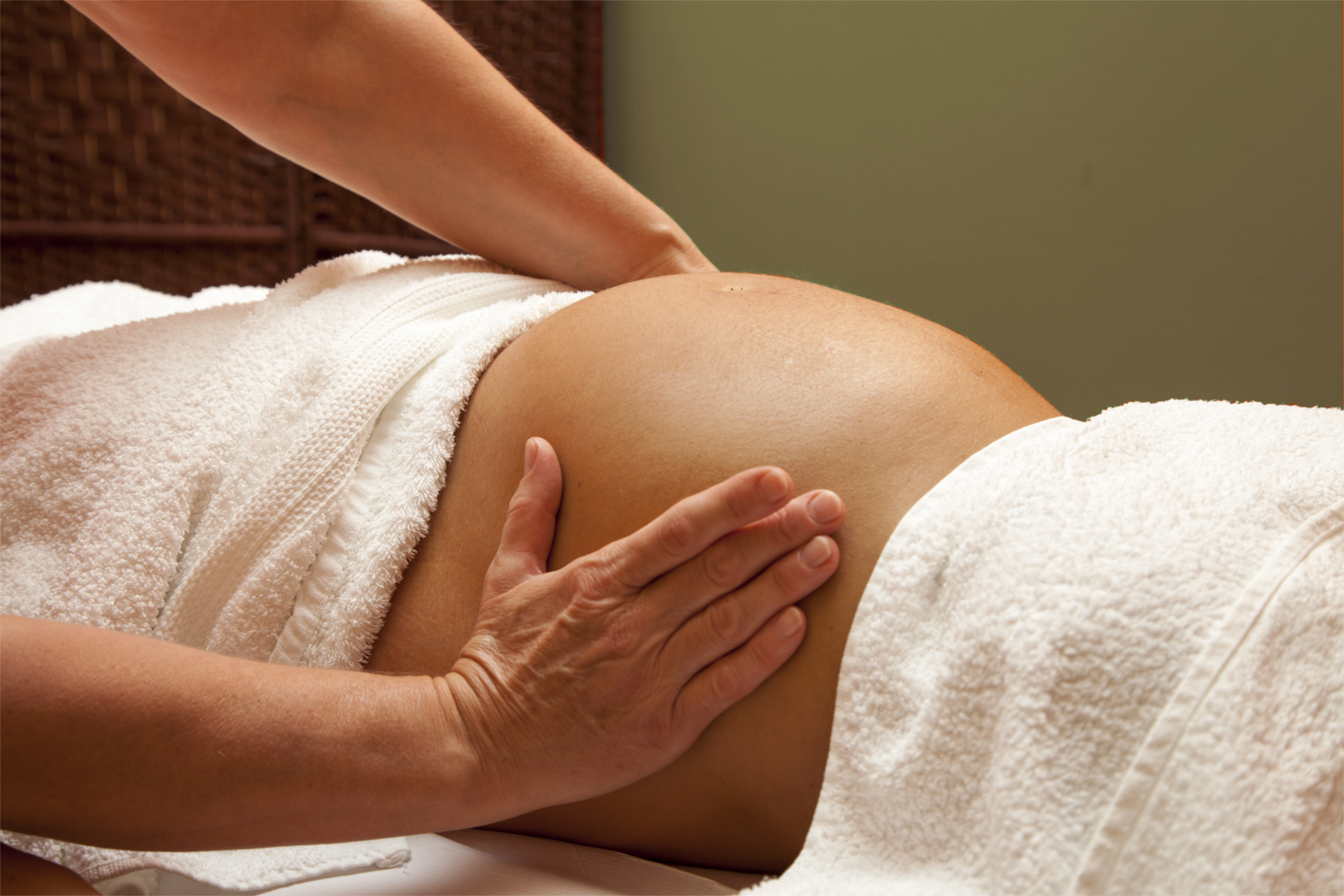
Who better deserves and needs a good massage therapy than a mother to be? I cannot think of anyone, can you? Pregnancy is a very stressful time in a womans life; on the physical level as well as on the emotional. By increasing the blood and lymph circulation, by lowering the heart rate, by relaxing the body and by easing the mind; massage therapy can be very beneficial on both of these levels as it relieves common symptoms of this delicate feminine condition: muscle cramps, spasms and myofascial pain of the lower back, neck, shoulders, hips and legs; the excess stress on weight-bearing joints; the swelling of the extremities (arms, hands, legs and feet); sleep difficulties and the psychological turmoil (stress, anxiety, fear and restlessness). Many independent studies have conclusively shown that the positively beneficial effects of massage therapy during pregnancy also benefit the growing child in the mothers womb as well as resulting in an easier labor and in a less painful delivery.

What is the difference between Pregnancy Massage and any other massage? Well, there are a number of very important differences which should not be overlooked. And due to those differences, therapists who perform massage therapy on pregnant women must be specially trained and certified accordingly, and they must always take those extra few precautionary measures:

* Pregnancy Massage should not be performed until the first trimester of the pregnancy has been concluded because the increased blood circulation may lead to dizziness and a worsening of the existing morning sickness symptoms.

* Positioning of the pregnant woman is detrimental to her safety and the safety of the child she is carrying. If using a massage table for the Pregnancy Massage session, it must be a semi-reclining table. In the event that such an appropriate table is not available, the pregnant woman should lie on her side and switch sides in midsession to make both her hips available for the massage treatment. A wide variety of pillows (body pillows, wedge pillows and extra padding pillows) set in a few strategic places under the pregnant womans body can greatly add to her comfort.

Important safety measures: The pregnant woman must never lie directly on her belly and
the flat, horizontal table with the hole for the belly must never be used as it inflicts too much stress on her lower back.

* There are certain parts of the pregnant womans body that must never be massaged or pressed; both sides of the ankles as well as the webbing between the thumbs and the index fingers are pressure points that can induce early labor when exposed to sustained pressure.

For the great majority of the time, Pregnancy Massages are perfectly safe and much advised. However under certain very specific conditions Pregnancy Massages should not be attempted without consulting a medical specialist and those conditions may be: women who are at risk of preterm labor and women with blood clots or related blood clotting disorders.

How are Pregnancy Massages and any other massages similar to one another? Every human being, (pregnant or not, female or male, young or old, rich or poor) enjoys the touch of anther human being as it conveys comfort, love, awareness, caring, security and too many other wonderful sensations to name in this single short oration. Pregnancy Massage as well as any other kind of massage provides all that and more.

Enhanced by Zemanta

→ No CommentsTags: Massage Therapy

Reflexology Massage

March 8th, 2010 · No Comments

Reflexology Massage, which is also known as the zone therapy, is an alternative medicine technique in which massaging, stroking, squeezing, pressing, rubbing and pushing on very specific areas of the feet, hands, and ears is applied to promote or stimulate beneficial effects to other corresponding remote parts of the body such as the vital internal organs (heart, liver, brain, stomach, bladder, sinuses, spleen, gall bladder, pituitary grand, adrenal gland, pancreas, kidneys, ureter, colon, small intestines, thyroid, bronchial tubes, coccyx, lungs, and appendix) and other essential systems (voice, neck, throat, eyes, ears, armpits, shoulders, arms, breasts, solar plexus, sciatic nerve, diaphragm, and Peyers patches). The intent is to improve the subjects overall health of the body as a whole and the mind.

The American Association of Reflexologists claims that Reflexology Massage results in improved blood circulation, detoxification of metabolic wastes, reductions of tension and the facilitation of the bodys capability to heal itself. The Associations also claims that Reflexology Massage is effective for back pain, migraines, infertility, arthritis and a long string of other mind and body problems.

Since studies and research failed to reach clinical conclusions about the effectiveness of Reflexology Massage, medical professionals of the Western persuasion have repeatedly expressed concerns that the belief in this practice may dangerously delay treatments of potentially serious health conditions. They have even resorted to calling reflexologys claim to maneuver energy (gi) pseudoscientific as there is no scientific evidence for the existence of life energy, crystalline structures or pathways in the human body. In the United States, the same medical critics and others disapprove of the lack of medical training and the short duration of training such as it is. They further disparage over the fact that there exists no central regulation for accrediting and licensing Reflexology Massage therapists. Conversely, several European countries, among them Switzerland, require reflexologists to be trained and licensed medical practitioners with a thorough understanding of anatomy and physiology.

However, based on ancient Chinese healing, reflexologists claim that the human body contains an invisible energy field which is the life force or the gi and they insist that a blockage or an obstruction of this life force prevent or puts off the bodys natural inclination for self healing and the improvement of health and wellness.

Dr. William H. Fitzgerald, an ear, nose and throat specialist and his partner Dr. Edwin Bowers are said to have been the first to pioneer reflexology in the United States in 1913. Referring to their theory as zone therapy, Drs. Fitzgerald and Bowers claimed that, in fact, imposing pressure at some very specific sites of the body provides analgesic and anesthetic effects on other distant parts.

In the 1930s and 1940s, Eunice D. Ingham, a nurse and a physiotherapist, declared that the hands and feet are particularly receptive and proceeded to diagram the entire body into associated impulse or reflex points on the feet. By doing so, Ingham changed the previously spoken of zone therapy to reflexology or reflexology massage and his charted reflexes are still followed today.

Whether Reflexology Massage truly attains the exact results it alleges to attain is, in my opinion, not all that important. The more important issue here is the fact that a vigorous massage to the hands and feet feels so very good, especially after a hard days work, that it must be therapeutic in one way or another. Or maybe it just feels good and thats OK too.

Enhanced by Zemanta

→ No CommentsTags: Massage Therapy

Risks Of Massage Therapy

March 7th, 2010 · No Comments

By and large, massage therapy that is performed by a properly schooled and well experienced massage therapist who practices his or her art prudently and with due caution, is risk free to its recipients health and wellbeing. For that reason along, if for no other, massage therapists must be selected very carefully as credentials and licenses are scrutinized meticulously, references are checked with diligence and questions are asked relentlessly. Regardless of how it is phrased or worded, one question which must always be asked of a potential massage therapist is the following, Which health conditions would you consider preclusive of massage therapy and why? And the correct answer, whether stated in exactly those words or different ones, should be, There are certain health conditions which must rule out massage therapy and those are And he or she must name the following:

* Cancer. Massage therapy comes in different forms which affect the body differently. There are also many different types of cancers and patients may be at different stages and receiving different treatments. In some cases and certain types of massage therapy may lead to life threatening results while in other cases with another type of massage therapy the results may be extraordinarily beneficial. Because of such complexity, it is essential to consult with the medical provider who knows the particulars of the case in question before proceeding with a massage therapy of any kind.

The potential risks involved in performing massage therapy on cancer patients do not inevitably discard the entire concept of massage therapy but it does mean that extra caution must be practiced and, perhaps, moderate to extreme alteration of the treatment is in order. And the health risks are the following:

- Fractures of bones. Certain forms of cancer and their treatments weaken bones to the extent that they can easily break under pressure.

- Bleeding. Many cancer patients have the tendency to bleed easily. Deep tissue massage can cause dangerous internal bleeding.

- Spreading of cancerous tumors. There is an ongoing debate about the effects of massage therapy on tumors. Some claim that applying vigorous pressure to the area where the tumor is present will cause it to metastasis (break down and to spread or to increase its rate of growth). Others, however, deny that claim as unsubstantiated and untrue. It is best to play it safe and not massage the tumor region or its surrounding soft tissues.

- Lymphedema (the buildup of lymph in soft tissue which leads to swelling of the limbs). Certain types of massage therapy in patients who have had their lymph nodes removed due to cancer may lead to lymphedema.

- Flu-like symptoms. Patients who are going through chemotherapy can often develop symptoms which look and feel like the flu after having been treated to certain types of massage therapy.

- Pain. Cancer patients frequently suffer a great deal of pain and most massage therapy techniques can result in some temporary pain immediately after the treatment. That may translate to added pain when too much of it is already present and that can be quite literally unbearable.

* Post-surgery. Shortly after surgery, the wound is still in the process of healing visually on the surface of the skin as well as internally. Applying pressure to the site may cause a series of risky health problems such as reopening the incision, trigger internal and/or external bleeding or blood clotting, and so on.

* Skin conditions. Areas where the skin is infected, inflamed or covered with rashes or sores should not be massaged as it can lead to worsening of the condition.

Even when taking into account all the risks which have been mentioned above, massage therapy can still be very beneficial to most people in most situations. Rather than discounting it completely due to specific concerns, I would advise consulting a physician.

Enhanced by Zemanta

→ No CommentsTags: Massage Therapy

Self Massage

March 6th, 2010 · No Comments

Are you aware of having a personal massage therapist, actually two of them, available to you and ready to serve and fulfill your wishes twenty four hours a day and seven days a week all year round and charge you not a dime? And would you believe me when I tell you that these massage therapists are perfectly happy to provide you with therapeutic sessions anywhere you please (your bedroom or living room, your office or car, in a public park or at the library), as frequently as you summons them and for the durations of your choosing? I am talking about your own two hands. Yes, your own two hands are perfect capable of massaging away your stress, your tension, your stiffness and your pains while bring forth an increase of blood circulation to invigorate and rejuvenate you with a fresh supply of oxygen into every cell in your body. Research shows that massage therapy, whether it is performed by a paid professional massage therapist or by your own built-in and securely affix hands, also boosts your immune systems as the production of white blood cells is stimulated in the process as is your mental capacity.

Chances are that you probably perform self massage therapy on a regular basis without ever calling it that. Stroking your forehead in a spontaneous reaction to a headache, grabbing the back of your neck to squeeze aware aches and stiffness, scrubbing yourself down with a loofah sponge in the shower or bath, rubbing your sore feet after a long day or hard work are all forms of self applied massage therapy. Congratulations! You are an experienced self massage therapist and you did not require formal training, a certification or a license.

The following is a list of techniques you can safely apply to your own body and promote overall wellness from the tip of your toes up to the crown of your head:

* Upon awaking and upon going to sleep. Twice a day, morning and evening, treat yourself to a session of gentle punches. Always moving in an upward motion from bottom to top, begin with the legs, proceed to the arms, then the torso, the back, the head and the face. This will beat out your tension, stress, kinks in your muscles, will improve your blood circulation and will strengthen your body.

* A treat after dessert. Whether you have had a large meal or a small one, help your digestive process by rubbing your tummy in the same direction as your food travels through the systems; clockwise. Therefore, use the palms of both your hands in a clockwise circular motion.

* A therapeutic exercise before and after the more athletic type. Punch yourself before stretching, cardiovascular or strength exercises to get more blood flowing into your muscles. After exercising, rubbing your muscles in the direction of your heart will promote the elimination of metabolic waste as well as expedite the relaxation and recovery of your muscles.

* Massage your appended massage therapists. You may do this with or without lotion buy you should do it daily. Intertwine the fingers of both hands and rub the heels against each other in a circular motion. With on thumb, rub the entire palm of the other hand and then switch. Untwine your fingers and thoroughly kneading each hand, gently pull on each finger and finish by pinching the webbing between the thumb and the index finger of each hand.

* Play tennis without a racquet. To exorcise tension and stress, massage your feet by stepping on a tennis ball. Actually, a gulf ball will work just as well. From a standing position press one foot on top of the ball, apply as much weight as you can and slowly more your foot around.

Enjoy yourself massage and stay well.

Enhanced by Zemanta

→ No CommentsTags: Massage Therapy

Self Massage Devices

March 5th, 2010 · No Comments

This is for all of you out there who are like most of us; too busy and too cash poor to treat ourselves to massage therapy on a regular basis or at all. That is indeed an unfortunate self denial. However, this particular denial can never guide us to also deny the fact that we can all use the benefits of massage therapy for it is not a mere luxury of the superfluous nature but an inherent need. As a matter of fact, massage therapy is deeply embedded into the fabric of our being and we all instinctively practice it to some extent without ever calling it that.

What do we do when our tummies hurt, when we have headaches, when we stub our toes, when our muscles tighten and cramp and so on and on? We automatically and without contemplation or forethought place our hands to the areas of discomfort to press and rub. Guess what? That is self massage therapy. And self massage therapy is every bit as effective and beneficial as any other kind of massage therapy, and it can be performed at any time and at any place to accommodate our unforgiving schedules and at no cost.

However, there are some parts of our bodies which are difficult to reach and therefore impossible to self massage. There are also times when our own two hands are too fatigued or sore to perform the self massage therapy we need. Furthermore, there may be certain situations that would require our hands to be put to other uses while we wish we could do some massaging. For those reasons, some very intuitive and insightful inventors designed self massage devices which can resolve these issues without depriving us of a good massage.

Massage devices are by no means new concepts as implements have been used on peoples bodies for many centuries throughout the world:

* Mesopotamia and Egypt. Some writings indicate that the Mesopotamians and the Egyptians used a variety of objects to manipulate the body and those would date as far back as 3000 B.C.

* China. The oldest massage tool that has been discovered thus far is made out of jade and it was used in the Longshan culture of China during the Shang dynasty and dates back to about 2000 to 1500 B.C. a massage knuckle.

At approximately the same time, tools carved of wood or animal bones were used to apply pressure to painful points in the body, and needles carved out of wood were used to treat gout.

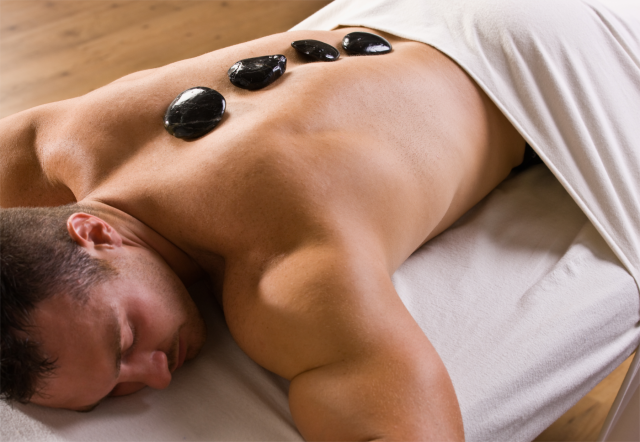
* Greece and Rome. Stones (jade, marble, basalt and others) were allegedly used either hot or cold by the Greeks and Romans in 175 B.C.

The strigil, rubbing cloths and tapotements made of ebony, wood or bone were also used in the Roman and Greed empires and flagellation (self beating) was practiced with the use of twigs or leafy branches.

* England. The English shaped needle-like instruments to alleviate the symptoms of gout.

An English veteran of the American Revolution, Admiral Henry of Rolvenden, created a large collection of tools to treat his own aches and pain. He drummed his back with a hammer covered with cork and leather; he made a few wood carvings to pound the soles of his feet, he used cattle ribs to loosen the knots along his tendons and to stroke certain parts of his body and he fashioned small bone gadgets to massage the inside of his mouth.

* Pacific Islands. The Polynesians used a thinly curved limb shaped out of the indigenous guava tree called the laau lomi-lomi stick as well as rounded lava rocks called lomi balls. Both these devices tools were used for rubbing, pounding and pressing.

In the 1890s the Health Culture Company of New York introduced an entire line of manual self massage devices and those have been used widely ever since, even more than the electronic devices which began flooding the market in more recent years.

The selection available to you today is extraordinary and the prices are surprisingly low. Among them are rollers, balls, percussion sticks, mats, vibration devices, and much, much more. All you need to do is visit websites such as http://www.ultimatewatermassage.com/ProductCart/pc/viewcategories.asp and be amazed.

Enhanced by Zemanta

→ No CommentsTags: Massage Devices

The Balinese Massage Therapy

March 4th, 2010 · No Comments

Having originated on the exotic island of Bali, the Balinese massage therapy is one of a number of ancient traditional massage techniques of Indonesia which had been carried down from one generation to another as a method of curing a wide variety of complaints. The Balinese massage is extraordinarily unique in that it brings together several alternative medicine practices such as massage therapy, acupressure, reflexology and aromatherapy with the use of essential oils scented with striking aromas of jasmine, rose, sandalwood, coconut, cempaka, sandat or frangipani into a single massage session. As it is true with most massage techniques, the Balinese massage strives to reach the ultimate state of relaxation of the body and the mind. What sets it apart is that the Balinese believe that, in order to attain that heightened state of relaxation, blood and oxygen must flow freely and only then will the gi or energy flow without restraints as well.

The Balinese massage therapy is performed on a conventional massage table or on a soft mat on the floor and a great deal of attention is paid to the scented oils which are generally applied at room temperature. For restorative purposes of an ailing or painful body part, warmed oil with an added mixture of lemon grass, cloves or ginger is applied. Overall, the bouquet of fragrances used in the Balinese massage therapy is intended to induce relaxation, to promote indulgence of the body and to drive away nervousness and unhealthful tension.

To reach the deeper tissues of the muscles, the Balinese massage therapist alternately applies vigorous kneading, cross fiber mobilization as well as skin rolling with gentle motions to every muscle of the body. To enhance results with long lasting effects, robust acupressure movements such as hardy press point and strong palm pressure are generously applies in addition to the prevailing massage techniques such as sliding, long and short exploration and manipulating.

The Balinese massage therapy is far from being gentle or delicate and it is, therefore, time and time again compared to Ayurveda, an Indian holistic medicinal method which is considered by most as being extremely intense. And it is due to the inherent intensity of the Balinese massage, that this therapy is so successful in reaching deep into tense and strained muscles to sooth and calm their spasms. As a matter of fact, the Balinese massage therapy is quite frequently prescribed for sports injuries as well as for stiff and achy joints due to various injuries or ailments, for easing migraines and other kinds of headaches, for relieving sleep deprivation and insomnia, for mitigating chronic and acute breathing maladies due to allergies and asthma, for boosting blood circulation and the lymphatic system, as well as for alleviating stress and easing anxiety and depression. In essence, the Balinese massage is a rigorous yet lavish therapeutic system that aims to bring the body and mind in full synchronization of optimal health, well being, tranquility and spiritual renewal.

In preparation for a Balinese massage treatment, you should give yourself plenty of time to savor the entire experience and its afterglow. Under certain circumstances, your massage therapist may need to modify the treatment or the oils which are used and you should, for that reason, let him or her know if you:

* Know that you are pregnant or think you might be.
* Have any pains or stiffness in your joints or limbs.
* Have had a recent injury or underwent surgery.
* Are suffering from high or low blood pressure.
* Have any kind of heart problems or any other medical condition and are going through some form of treatment.

Bali is just one island out of the 17,508 islands which comprise the Republic of Indonesia, a nation located in Southeast Asia and the worlds largest archipelagic state. Many of the other Indonesian islands adopted their own massage techniques which are similar to the Balinese massage in their endeavor to heal the physical body and the spiritual mind, yet they are also distinct and bear their own unique characteristics. And they are:

* Sasak massage.
* Lombok massage.
* Urat massage.
* Balinese Boreh. A paste of ground spices is used to relieve pain and this massage technique was conceived by local rice farmers.
* Javenese Lulur Ritual. This is customarily executed on brides in preparation of their wedding day.

Have you decided to give the Balinese massage a try? Good choice! Relax, enjoy the process and come out smelling heavenly.

Enhanced by Zemanta

→ No CommentsTags: Massage Therapy